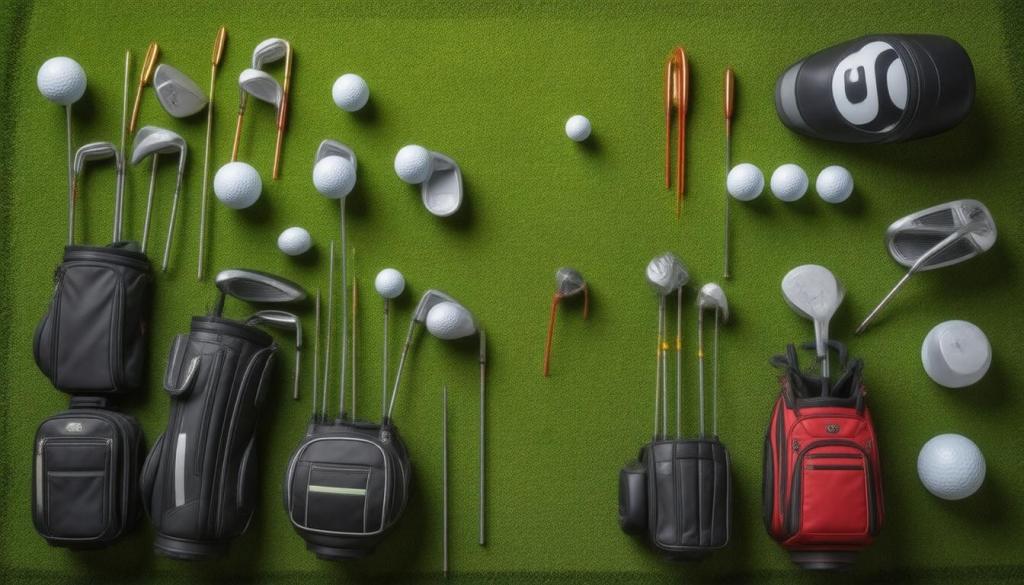
Golf is a sport steeped in tradition, and its equipment has evolved significantly over the centuries. Whether you’re a beginner just starting out or an experienced player looking for ways to enhance your game, understanding the various types of golf equipment is crucial for improving your performance on the course. This guide covers the essential gear every golfer needs, along with tips on choosing the right equipment for your skill level.
Understanding Golf Equipment
1. Golf Clubs
At the heart of any golfer’s arsenal is the collection of clubs. A golfer is allowed to carry a maximum of 14 clubs during a round, and these are typically categorized into three main types:
-
Woods: Used for long-distance shots, particularly off the tee. Woods have a larger head and are ideal for hitting the ball over longer distances. The driver—a type of wood—is commonly the longest club in most players’ bags.
-
Irons: These are number-labeled clubs used for approach shots and can vary in loft. They offer greater control and precision for shots from the fairway or rough. The set usually consists of a range from 3-iron to 9-iron, plus various wedges.
-
Putters: Specialized clubs for use on the green. Putters are uniquely designed with minimal loft to keep the ball low and rolling smoothly toward the hole.
2. Golf Balls
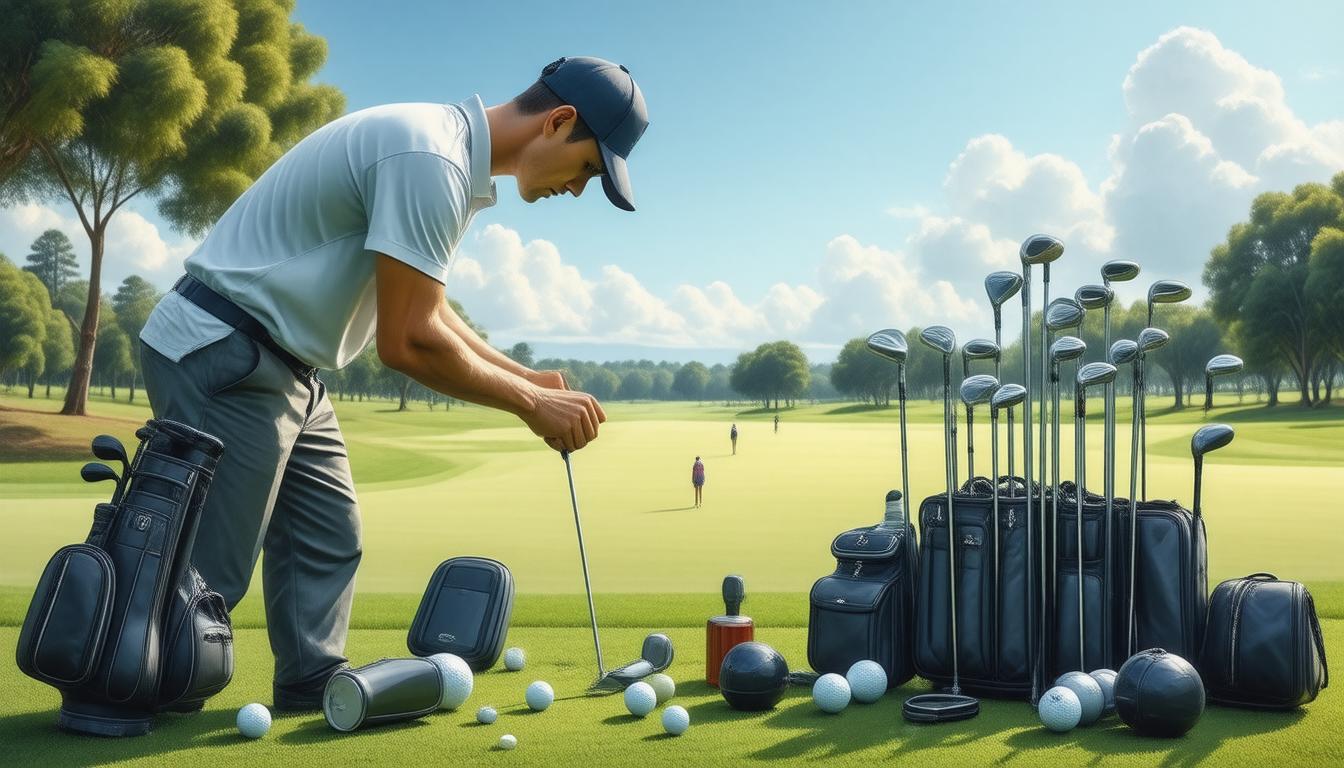
Golf balls have also undergone remarkable transformations, with current designs optimizing distance and control based on player preferences. They were originally made of materials like wood and later leather stuffed with feathers. Today’s balls feature a rubber core and a dimpled cover, which helps them achieve optimal aerodynamics.
3. Tees and Accessories
Every golfer needs tees to elevate the ball for their first stroke on each hole. Various types of tees range in height and material; wooden tees are popular for their cost-effectiveness while plastic tees offer durability. Alongside tees, essential accessories include:
-
Ball Markers: Used to mark the position of your ball on the green, especially when it’s in the way of another player’s stroke.
-
Divot Tools: Used for repairing pitch marks on the green.
-
Golf Gloves: Offering grip and comfort, gloves are invaluable for maintaining control of the club in various weather conditions.
-
Trolleys and Bags: Equipment needs a reliable way to be transported. Choices range from lightweight stand bags to robust cart bags, with features catering to different styles of play.
Choosing the Right Equipment
When selecting golf equipment, consider your playing style, frequency of play, and personal preferences regarding brands and features. Here are some considerations for different skill levels:
-
Beginners: Focus on purchasing a quality set of clubs that includes a driver, a few irons, and a putter. A package set often delivers good value for novice players. Golf balls designed for distance and durability are also beneficial.
-
Intermediate Players: As you gain experience, consider investing in additional clubs such as hybrids and wedges. These can help improve your short game and fill the gaps in your set.
-
Advanced Players: Look into custom fittings for clubs that match your swing mechanics and playing style. Fine-tuning your equipment can provide a competitive edge.
Conclusion
Choosing the right golf equipment is fundamental to elevating your game on the course. Each piece of gear—from clubs and balls to accessories—plays a role in helping you perform optimally. As technology and materials evolve, staying informed about the best options available can significantly impact your golfing experience. Whether you’re just starting or looking to refine your skills, understanding your equipment is the first step toward becoming a better golfer.
 Amazon Helpful Reviews
Leave a comment